Written October 2026
For the last three years I’ve gone on a battlefield history tour with friends. In 2024 we went to Ypres, last year we went to Normandy. This year we went a bit further afield and delved into French history with a visit to Verdun.
The first serious military history book I ever read was Alistair Horne’s “The Price of Glory”, first published in 1962. I must have been in my early teens, so perhaps a bit of a strange book to choose. Anyway, I have always had an interest in the battle since then but have never managed to visit the sites until now.
We left on Friday and returned on Wednesday, the first and last days being mainly driving. It was a long journey, we covered 1,184 miles overall, but it was worth it. We were blessed with fantastic weather throughout, the only exception being some heavy rain after getting back to England.
It’s a long way to Verdun so we broke the journey in Arras both on the way there and the way back and had three nights in Verdun in between. On our first day in Arras we visited the Wellington Tunnels where we had an excellent tour that described the life of the Kiwi tunnellers and also the thinking behind the decision to attack in Arras in 1917. I was not really aware that the Arras attacks, which included the assault and taking of Vimy Ridge, were largely designed as a diversion from the much bigger (and unsuccessful) French Offensive 100 miles away at Chemin des Dames.
We then stopped at the Arras Citadel, a huge edifice built before the French Revolution and the site of the German occupying regime in WW2. A number of French Resistance fighters were executed and they are memorialised here. Many were miners and members of the French Communist Party.
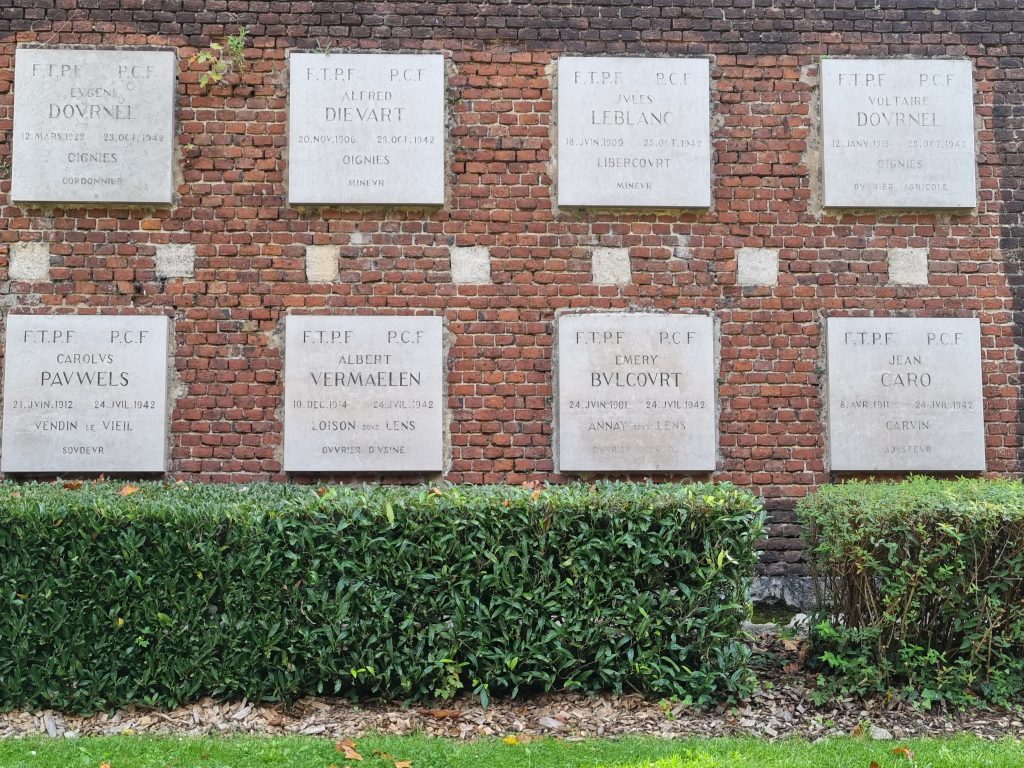
Memorial to executed resistance fighters in Arras Citadel
Before setting off for Verdun we visited the national memorial at Notre Dame de Lorette just outside Arras. This was the site of very heavy fighting at the beginning of the war as the Germans arrived in France and throughout the war once the Germans had been stopped. It is France’s biggest military cemetery and holds the bodies of unknown soldiers. It is unusual in France in having a church, the reason being that there was a church originally on the site (hence the name). There is also a lantern which is visible from miles around.
Next to this older monument there is a new one, L’Anneau de la mémoire, which commemorates the 580,000 men of all nationalities who died in Nord Pas-de-Calais between 1918 and 1918. Names are in alphabetical order without reference to nation or rank. This is an amazing work and very well done indeed.
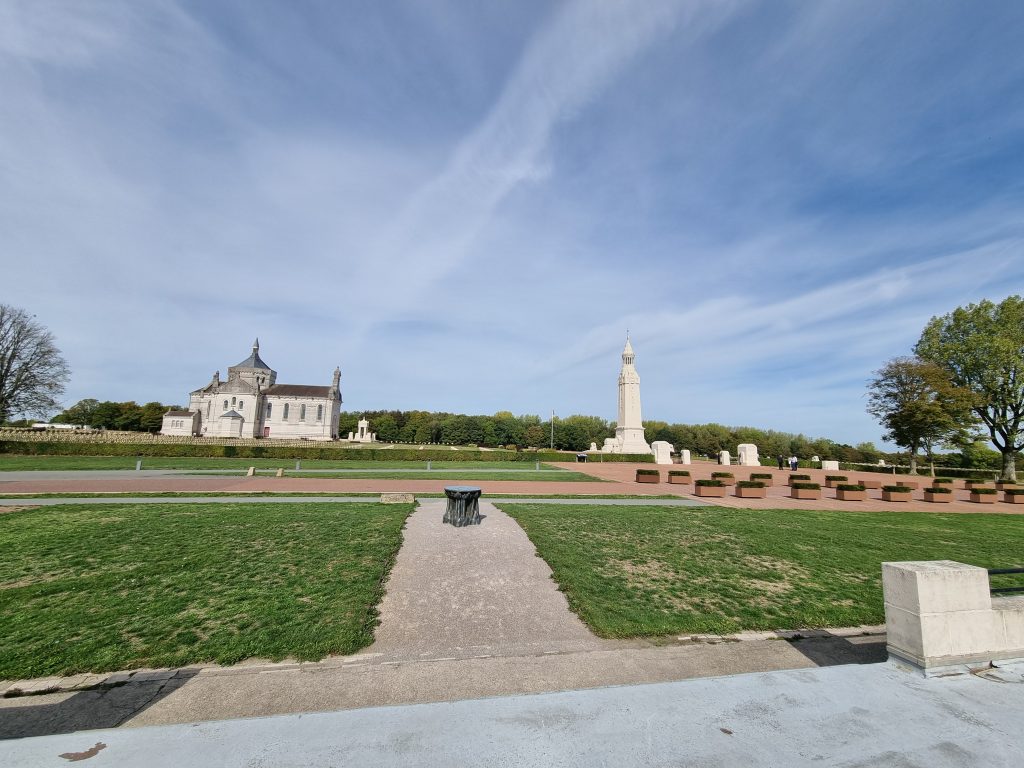
Notre Dame de Lorette with the basilica on the left and the lantern on the right
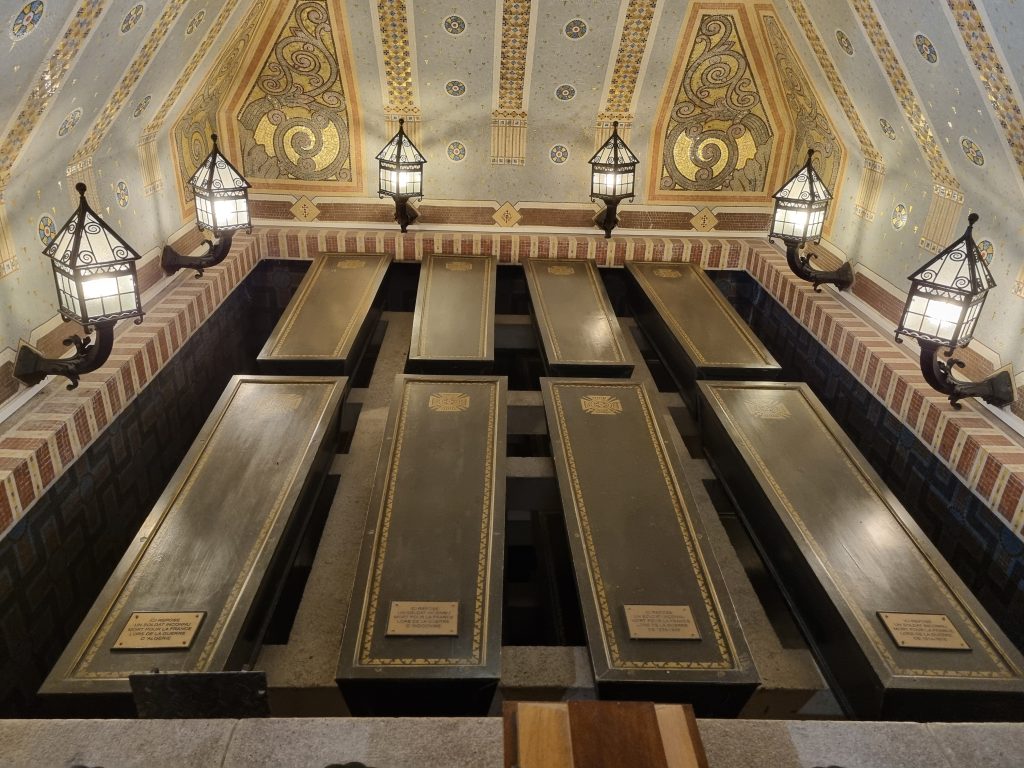
Sarcophagi of unknown soldiers at Notre Dame de Lorette
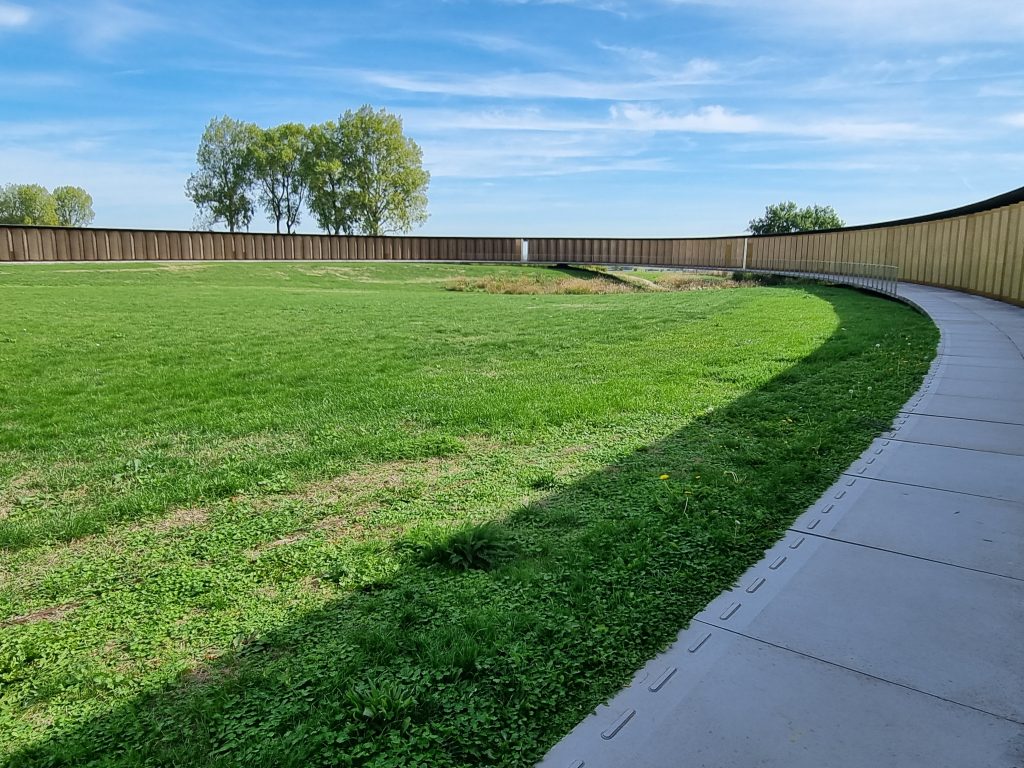
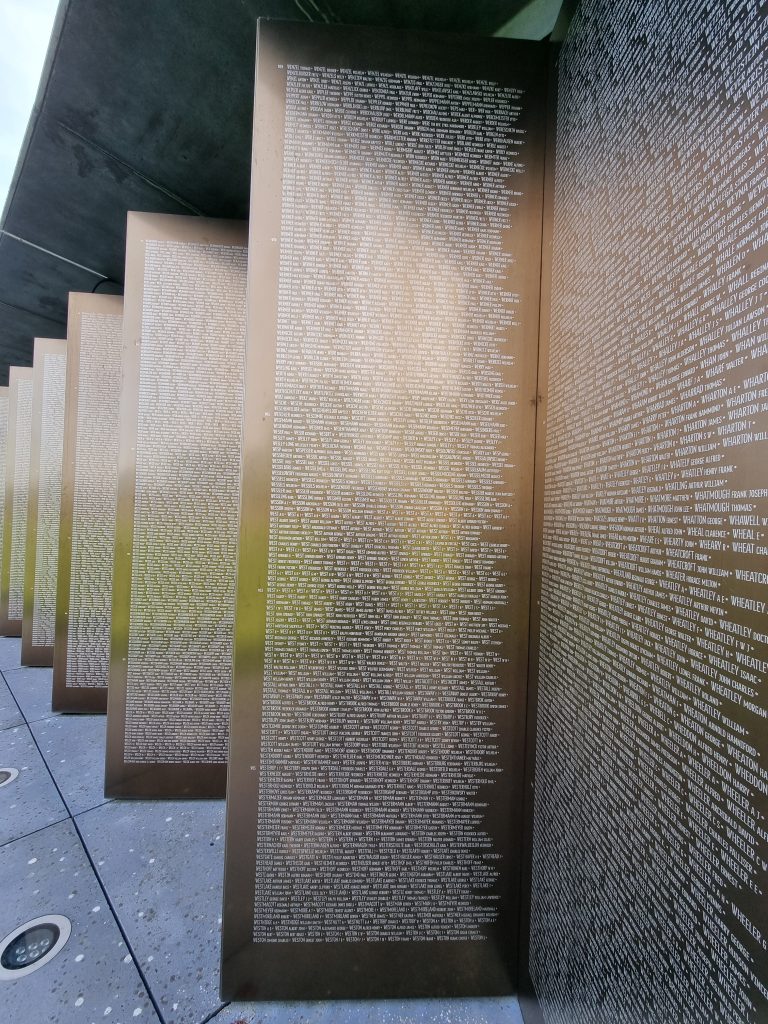
L’Anneau de la mémoire with detail
In Verdun we spent our first day visiting the Monument to the Victory in Verdun itself and then the Citadel. The memorial has a lovely situation looking over the town and is well done. The Citadel was used during the battle and has had a lot of money spent on it to make it a modern, interactive visitor attraction: you enter and are transported around in driverless vehicles while wearing an AV headset. The sound and visuals were terrible, the story a mess and frankly we were glad to be out of it. It’s a great shame, so many modern visitor experiences are of such high quality but I’m afraid this just isn’t.
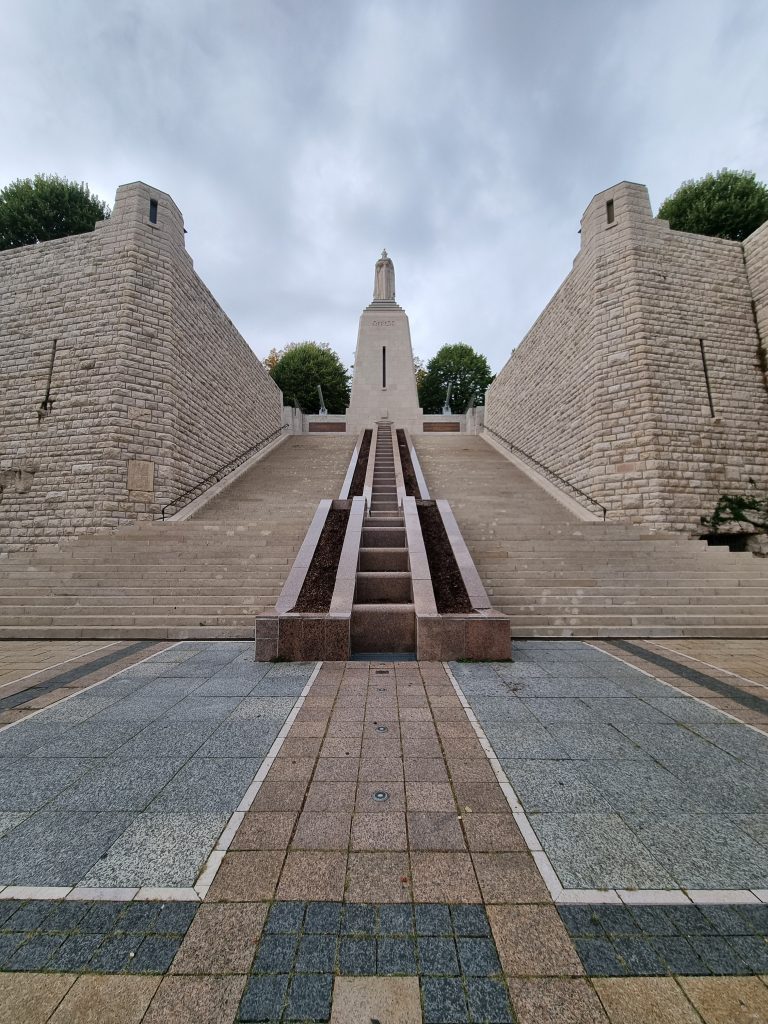
Monument to the Victory
Day 2 in Verdun was a full day guided tour from a local historian, Vincent Jacquot. We went to Fort Douamont, the Douamont Ossuary, Fort Vaux, the main Museum, recently refurbished, and finally the destroyed village of Ornes. All were fascinating but the thing that really brought it to life was the quality of our guide who was highly knowledgeable and passionate about his subject. Thank you Vincent! There’s really too much to say about all we saw and learned on the day, but beyond visiting iconic sites like Douamont and Vaux, the abiding memory for me will be how Vincent was able to set the battle in its historic context and to situate it so well in the geography of the area by explaining what made the battleground so important. It was an amazing day, made memorable by the fact that it was so warm and clear. I think historians have revisited a lot of their assumptions about the battle in recent years, and there does appear to be a growing consensus that Falkenhayn’s battle plan was to win a conventional victory by taking Verdun and opening the way to Paris, not in fact to bleed France white. It now seems less a stalemate and more a battle and a year from which the Germans never really recovered.
Honestly, Verdun is such an enormous subject it’s impossible to do justice to it, but I am so glad to have been there and seen the town, the forts, the battlefield and the Voie Sacrée and now have a much better picture of what happened.
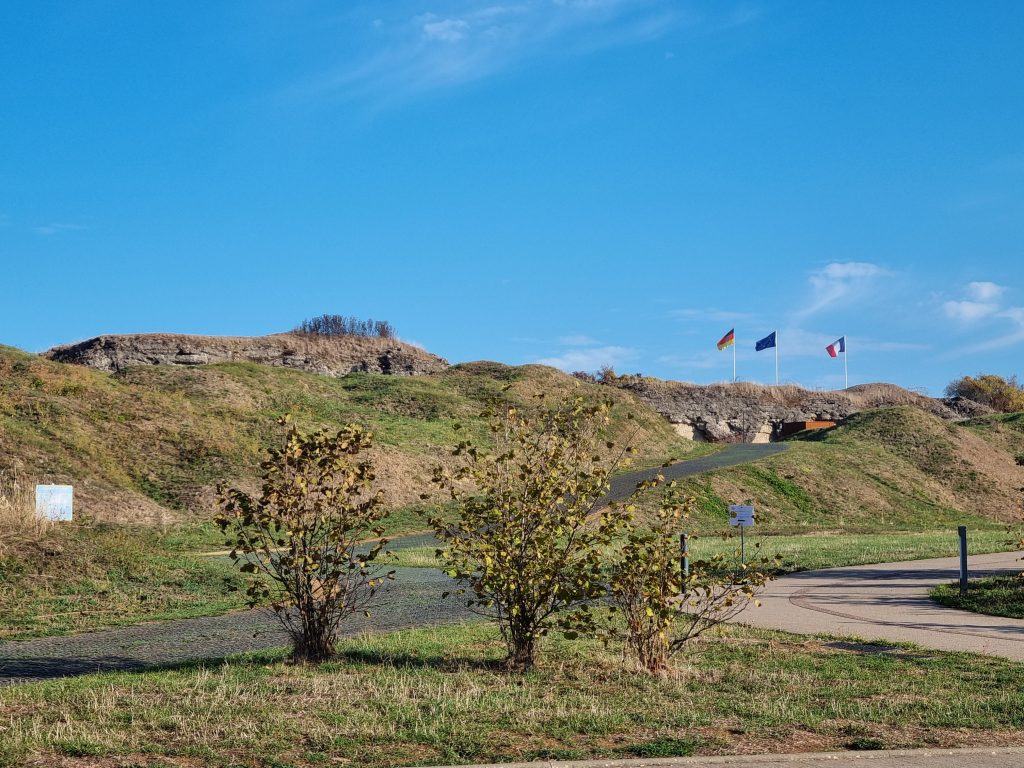
Fort Douamont
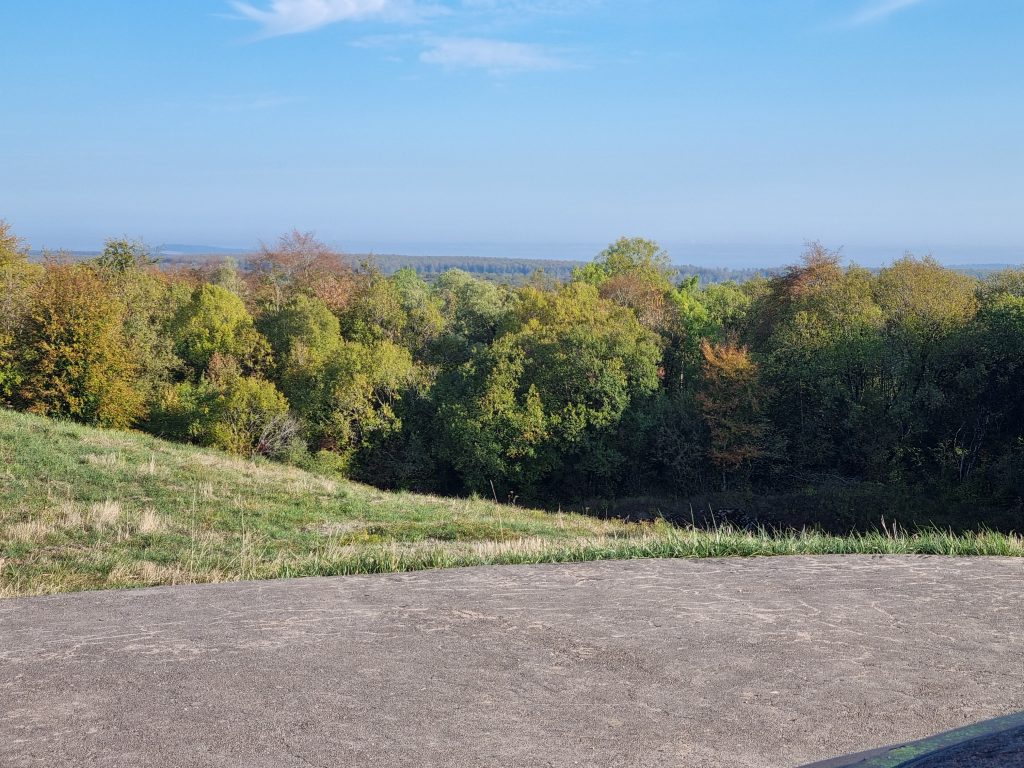
View back over the plain to Germany from Douamont
The following day we went to the Meuse-Argonne American cemetery. This is immaculate and the biggest American cemetery in France. The surrounding countryside is very pretty and the villages have a very German feel to them. Then we started the long drive back to Arras but we stopped at the Canadian memorial at Vimy Ridge. This is I think the most visually stunning memorial I have seen, and the view from the ridge back to Arras and especially beyond to Lens and Belgium is stunning.
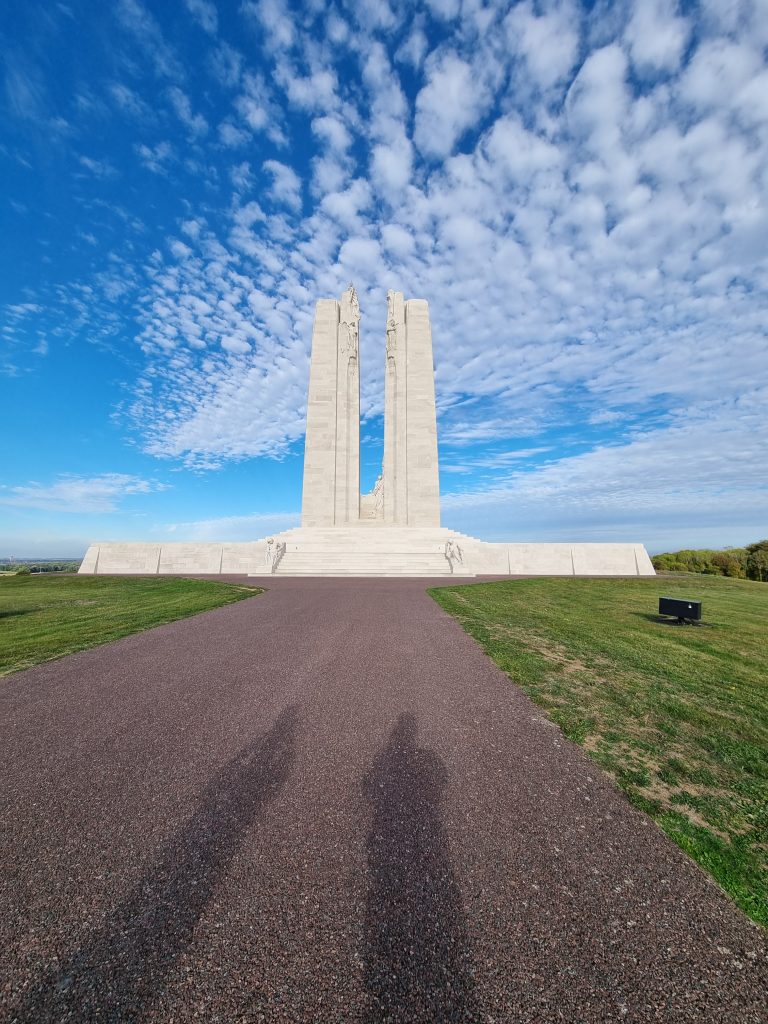
The Canadian Memorial at Vimy Ridge
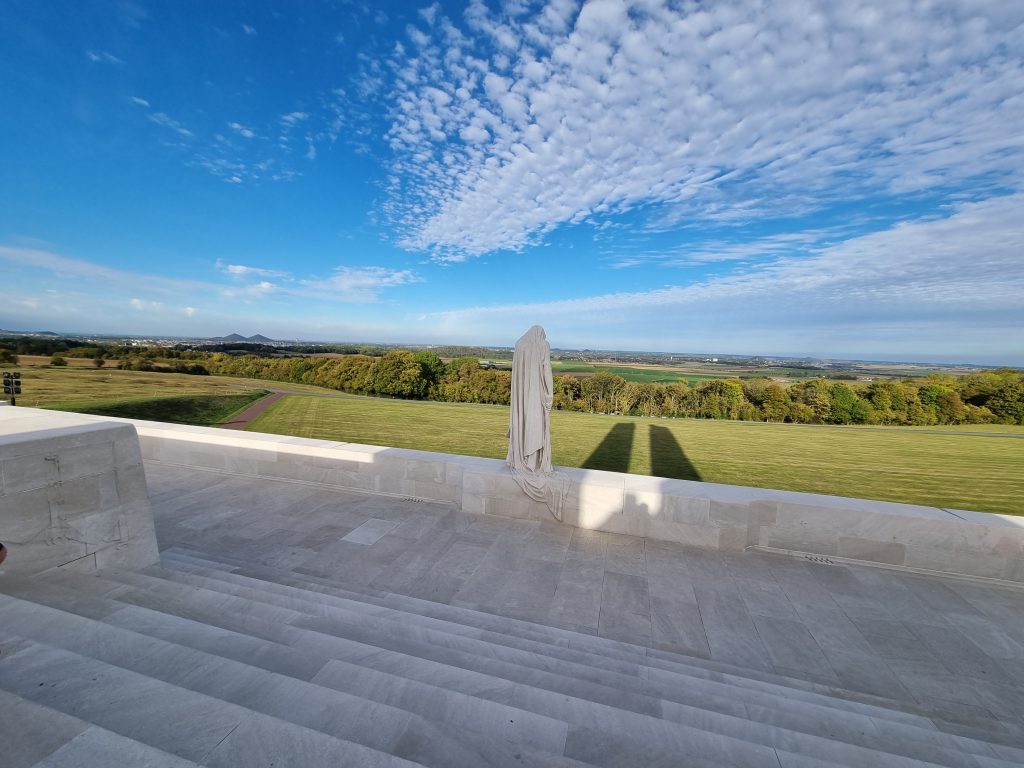
The view down from Vimy Ridge towards Lens and Belgium
And that was it, after a last evening spent over a nice meal in Arras’s very pretty main square we headed back home with thoughts of return next year.